The last-minute evidence rush feels productive because activity is visible. Files are renamed, folders multiply, surveys are launched and policies are rewritten. But collection is not the same as readiness, and a polished folder cannot resolve a gap between written procedure and lived practice.
ETEC, KHDA, Cognia, IB and other inspection, accreditation or authorisation bodies use different language and processes. Yet their expectations repeatedly return to a common core: student outcomes and wellbeing, the quality of teaching and learning, leadership and governance, coherent curriculum and assessment, self-evaluation, stakeholder understanding and continuous improvement.
In Saudi Arabia, ETEC provides national school-accreditation routes for private and international schools, and its NAFS guidance explains that national assessment results contribute performance indicators for evaluation and accreditation. Readiness therefore needs more than compliant policies: leaders must be able to connect curriculum, classroom practice, assessment evidence and improvement decisions.
In Dubai, KHDA’s UAE School Inspection Framework is organised around performance standards and indicators, with self-evaluation central to improvement planning. KHDA’s 2025–26 quality-assurance approach paused routine full inspections for most established private schools, but continued targeted visits, external benchmark assessments and regular Self-Evaluation Form updates. The lesson is important: readiness is an ongoing quality discipline, not a reaction to an announced inspection date.
Cognia’s current K–12 Performance Standards focus on four connected characteristics—culture of learning, leadership for learning, engagement of learning and growth in learning. IB Programme standards and practices similarly provide criteria for planning, implementation, development and evaluation across prospective and authorized IB World Schools. Both point schools back to coherence and continuous improvement, not isolated evidence production.
What is commonly left too late? Schools discover that policies describe routines staff do not use; benchmark data has been collected but not translated into curriculum or teaching decisions; the self-evaluation narrative is not supported by classroom evidence; middle leaders interpret standards differently; portfolios contain volume without a clear line from action to impact; and stakeholders cannot explain the school’s improvement priorities consistently.
The solution is an evidence architecture built early. For every relevant expectation, identify an owner, the routine where it lives, the evidence that routine naturally creates, the quality criteria for that evidence, and the cadence for reviewing its impact. A single well-used coaching record, moderation protocol or improvement review can be stronger than dozens of documents assembled for a visitor.
MylaEd begins with a readiness audit rather than a performance. We map the applicable framework against the school’s actual systems, sample policies and practice, triangulate student and stakeholder evidence, identify material gaps, and sequence a realistic improvement roadmap. We then help leaders build or strengthen the routines, tools, staff understanding and review cycles that will generate defensible evidence over time.
As the review approaches, the work shifts to assurance: testing whether people understand the systems, sampling consistency across phases or departments, checking that claims can be traced to evidence and impact, and helping leaders present an honest, coherent account of strengths and priorities. A mock review may be useful, but it should test readiness—not create it.
The goal is not a perfect folder or a rehearsed story. It is a school that can explain what it does, show where it happens, demonstrate how it knows, and describe what it is improving next.
MylaEd supports readiness and school-improvement processes independently. It does not represent ETEC, KHDA, Cognia, IB or any other body; it does not award accreditation or guarantee authorisation, accreditation or inspection outcomes.
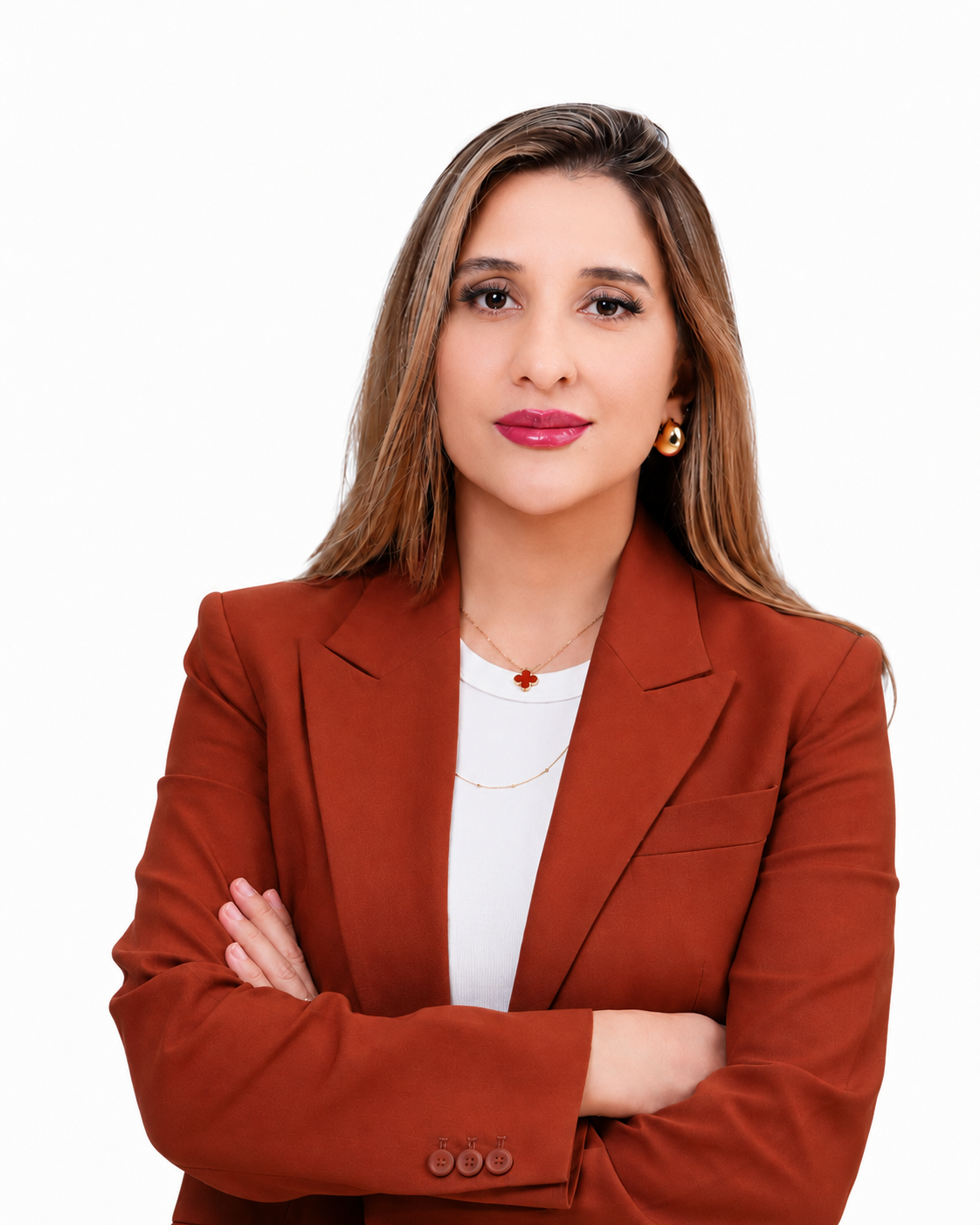
Shomaila Shamrez, M.Ed.
Founder & Principal Consultant, MylaEd
About Shomaila